

Did you know that breastfeeding rates have risen significantly in recent years? According to the World Health Organization, exclusive breastfeeding for infants under six months increased globally by more than 10% over the past 12 years. That means more moms than ever are navigating the ins and outs of storing, warming, and feeding breast milk.
If you're pumping and storing milk, you've likely asked yourself: "How long is warmed breast milk good for?" It's a critical question that affects your baby's health and your peace of mind.
In this guide, we'll walk you through the safest ways to warm, store, and reuse breast milk so you never have to wonder again.
Why Breast Milk Storage Matters
Breast milk is liquid gold. It contains:
- Live cells
- Immune-boosting properties
- Essential nutrients that formula cannot replicate
But once it is warmed, its safety window shortens significantly. According to UNICEF, warm milkproviding babies with only breast milk during their first six months of life offers them complete nutrition specifically suited to their developmental needs.
Improper storage can lead to:
- Bacterial growth
- Lost nutrients
- Wasted milk
Understanding proper handling protects your baby and helps you maximize every precious ounce. Always be sure your hands are cleaned with hot water and soap or hand sanitizer to avoid contamination of milk or bottles.
How Long Is Warmed Breast Milk Good For?
Every drop of breast milk is valuable, so knowing how storage affects safety is essential. Once milk is warmed, its usable time varies based on how it was stored before.
The answer depends on how the milk was stored before warming:
- On the countertop (77 degrees):
- Freshly expressed breast milk: Use within 4 hours
- Thawed or refrigerated milk: Use within 2 hours
- In the back of the refrigerator:
- Freshly expressed breast milk: Use within 4 days
- Thawed milk: Use within 24 hours
- In the freezer:
- Combinator refrigerator-freezer: 6 months
- Deep freezer: 6-12 months
- Leftover milk from a bottle feeding: Use within 2 hours
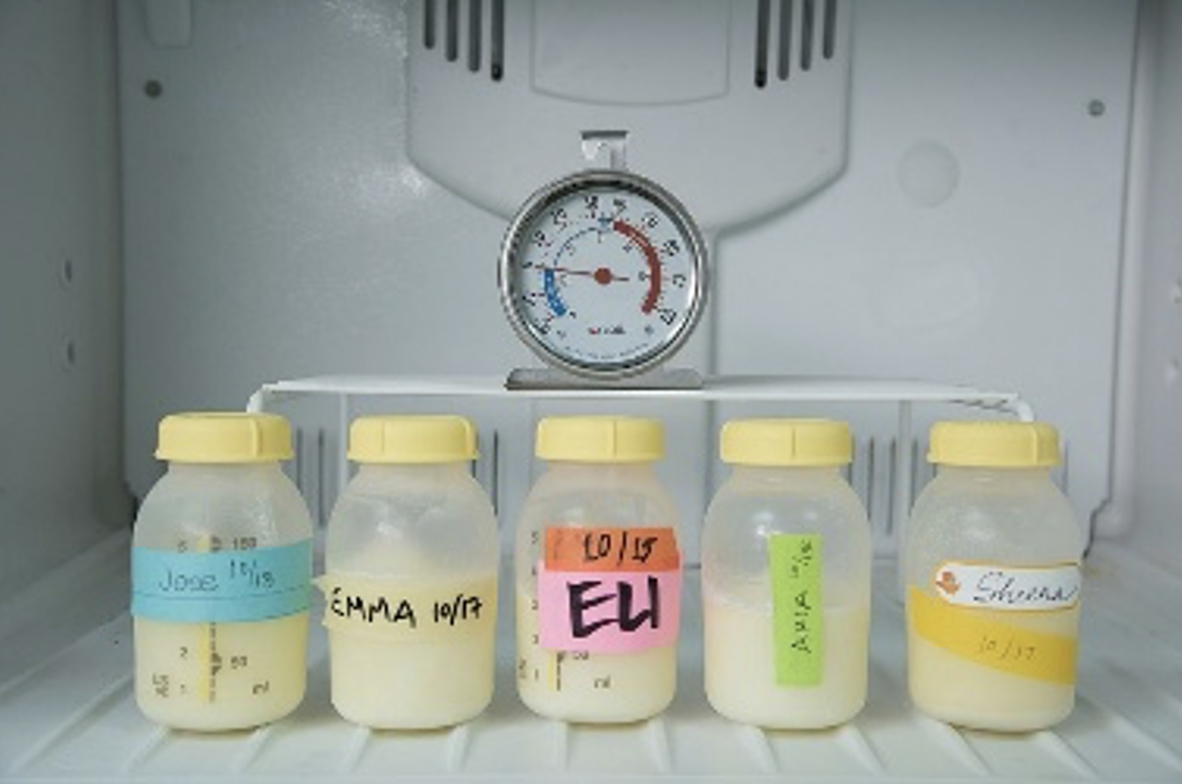
Always discard any unused milk after these time limits. Warmed milk should never go back into the refrigerator or freezer.
Breast Milk Storage After Warming: A Quick Guide
Warming breast milk is only part of the process. Knowing what to do next is just as important. Following correct steps after warming ensures you protect your baby from harmful bacteria.
Here's a simplified guide to storing expressed breast milk after warming:
- Use it or lose it, with the two-hour rule as a standard
- Keep it at room temperature if being used soon
- Don't refrigerate again once warmed
- Don't reheat under any circumstances
Breast milk storage guidelines are set by experts like the CDC and AAP to protect your baby from contamination.
The Safest Way to Warm Breast Milk
Warming breast milk properly is just as important as storing it correctly. Follow these steps for best results:
- Place the milk bag or bottle in a bowl of warm water for a few minutes
- Use a bottle warmer made for breast milk
- Test the breast milk temperature on your wrist before feeding
- Never microwave or boil
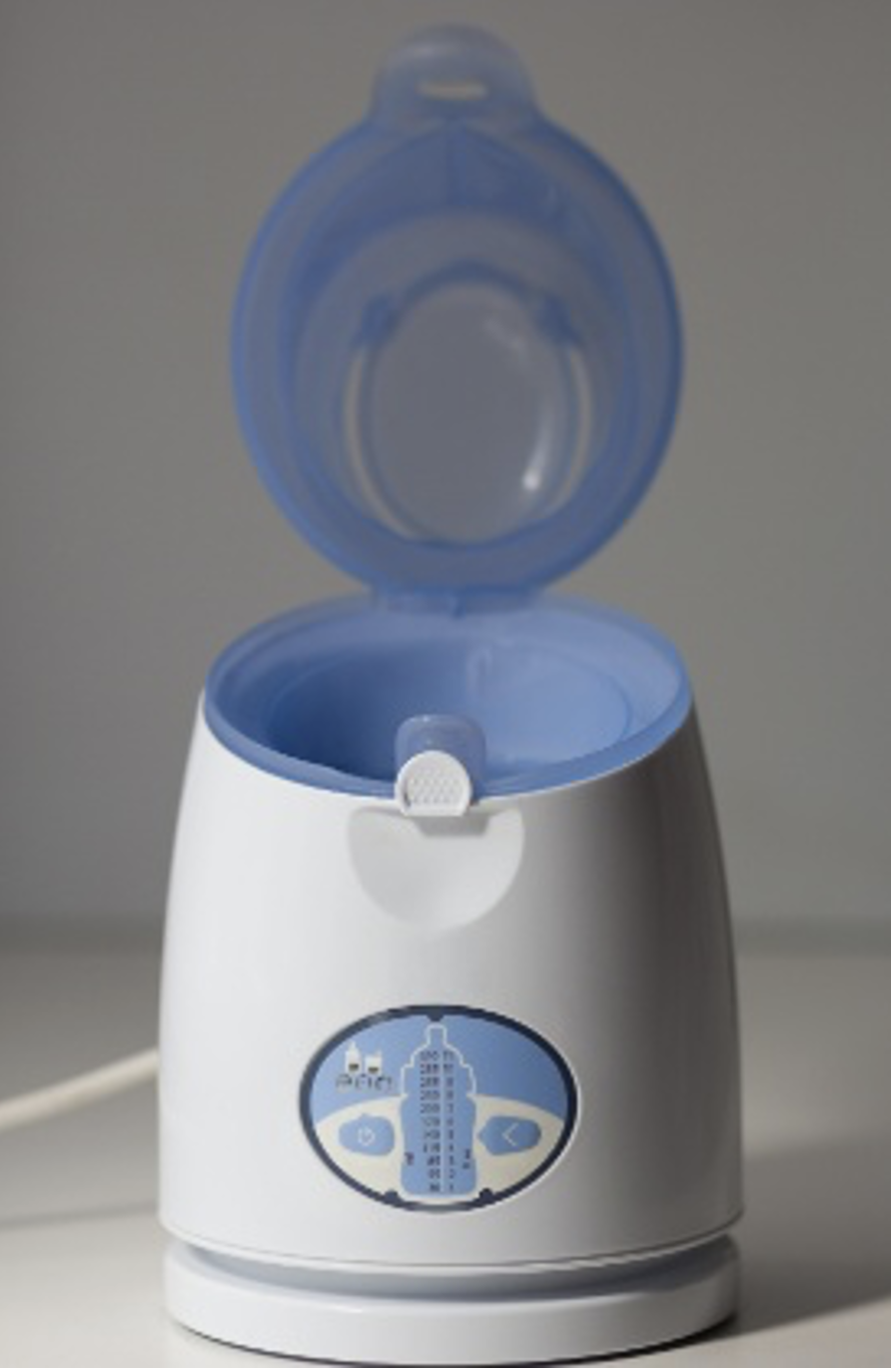
Can You Reheat Breast Milk?
No, reheating breast milk is not recommended. Always warm only what you expect to use for a single feeding.
Once breast milk temperature rises through warming, its delicate nutrients begin to break down. Reheating it again can further reduce its quality and pose a risk of bacterial growth.
Signs Breast Milk Has Gone Bad
Knowing when milk has gone bad can be tricky, especially for new moms. Trust your senses and these clear warning signs.
If you're unsure whether to toss it, look for these signs:
- Sour smell
- Strange taste (always taste with a clean spoon)
- Clumping or unusual separation
- Slimy or sticky texture
When in doubt, throw it out.
Why Following Guidelines Matters
Following breast milk storage guidelines ensure your baby receives safe, high-quality milk. Improper storage can increase the risk of illness or nutrient loss.
According to the Children's Bureau, rates of any breastfeeding at 12 months of age improved from 25.3% for children born in 2010 to 37.6% for children born in 2020. That's more moms committing to longer breastfeeding journeys, making safe milk storage even more important.
More parents are committing to long-term breastfeeding as awareness and support continue to grow. That means day-to-day practices like safe storage play an even bigger role in protecting babies' health.
Breast Milk Storage Guidelines for Busy Moms
Safe milk handling becomes easier when you know what to expect. Following expert-backed advice helps you protect your baby with confidence.
Understanding the rules helps you plan ahead. Use these dos and don'ts.
Dos:
- Do label your milk with the date/time and your name
- Do store in the back of the fridge (not the door)
- Do store milk in small amounts and warm only what is needed to avoid waste
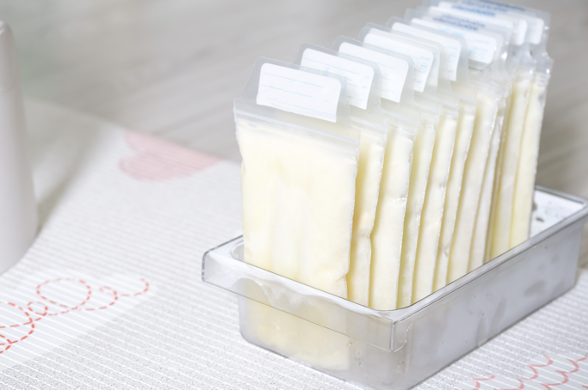
- Do freeze bags flat to save space
- Do use BPA-free milk storage bags or bottles
- Do rotate oldest milk to the front to ensure it is used before the discard date
- Do thaw frozen milk in the fridge overnight or under warm water
- Do gently swirl to mix separated fat
- Do keep it at room temperature if being used soon
Don'ts:
- Don't use a microwave to warm or thaw milk
- Don't heat milk twice
- Don't leave warmed milk sitting out past 2 hours
Use a milk storage chart and app to track milk freshness. These tools help you monitor expiration dates and avoid confusion. Consistent tracking ensures every bottle is safe when it's time to feed.
Make the Most of Every Ounce
So, how long is warmed breast milk good for?
Warmed breast milk is good for no more than two hours. That's your safe window for feeding. Discard leftovers and never reheat.
Following expert-backed breast milk storage guidelines will help protect your baby's health and preserve the nutritional power of every drop.
At 1 Natural Way, we help moms like you navigate breastfeeding with ease. We offer breast pumps, storage bags, bottles, and education that's backed by a service-first mindset and insurance support. For more information and to ask a Board-Certified Lactation Consultant more questions about breastmilk storage and use join our class, Pump & Pour: Intro to Pumping & Bottle Feeding.
Are you ready to simplify breastfeeding? Claim your insurance-covered breast pump today.